Code Value - Timeless Principles for the Modern Computing Enthusiast

When you dive into a new programming language, framework, or computing paradigm, it is easy to get buried under syntax errors, API documentation, and configuration files.


We often treat learning a new tool as an exercise in memorization. But the deepest breakthroughs in computing don't come from memorizing syntax—they come from understanding the underlying philosophy of how we handle information, scale systems, and push past institutional inertia.
Whether you are picking up a modern functional language, experimenting with systems programming, or diving into distributed architectures, here are a few foundational principles to keep your mindset sharp and your code meaningful.
1. Information Has a Shelf-Life: Process Less, Value More


In modern development, we are obsessed with data processing pipelines. We build complex systems to ingest, transform, and store every single byte we can get our hands on. But we frequently make the mistake of prioritizing the processing over the value of the information itself.
Data is not a permanent asset; it ages. Much like physical inventory, information has a short shelf-life. Over time, stale data costs more to maintain, index, and secure than it is actually worth.
* The Principle: When learning a new language or building a new service, don't just ask, "How fast can I process this data?" Ask, "What is the lifespan of this information, and is it worth the architectural overhead to keep it alive?" Design your data models with expiration and decay in mind.
2. The Power of Small, Parallel Systems

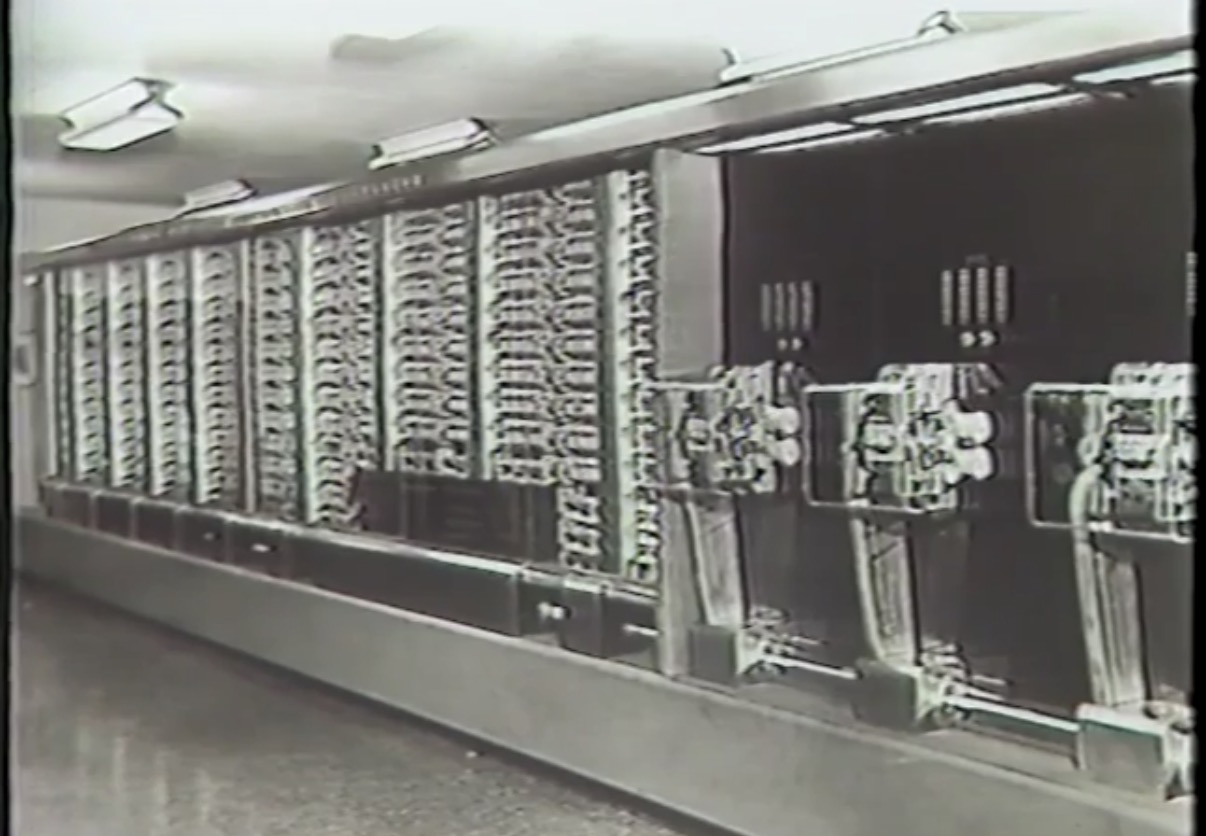
There is a natural tendency in project architecture to build "bigger" monolithic machines—to throw more memory and raw CPU power at a single instance to solve a performance bottleneck. Historically, however, true scaling didn't come from making one giant machine work harder. It came from orchestrating systems of smaller, parallel components working together.
If you are exploring languages designed for concurrency (like Go, Elixir, or Rust), you are interacting with this exact philosophy.
* The Principle: Break your problems down. Instead of designing massive, tightly-coupled functions or single-point-of-failure servers, lean into micro-tasks, immutable data sharing, and horizontal scaling. A team of coordinated, smaller units will always outpace a single giant overwhelmed by its own mass.
3. Banishing the Most Dangerous Phrase in Tech


The absolute graveyard of innovation is the phrase, "But we’ve always done it that way." When you learn a new compute paradigm, you will inevitably try to force your old habits into the new tool. If you write Rust like you write Python, or Haskell like you write JavaScript, you miss the entire point of the ecosystem.
Be bold enough to break existing conventions when the tool demands a better way of thinking.
* The Principle: In software, it is often easier to ask for forgiveness than it is to get permission. Experiment aggressively. If a new language feature challenges your standard design patterns, don't fight it to stay comfortable. Write the "weird" code, test the limits, and see where it breaks.
4. Chase the Literal Bugs


We treat debugging as an abstract, high-level exercise—staring at stack traces and log aggregators. But the concept of a "bug" reminds us that software issues are ultimately rooted in real, physical constraints and tiny, literal mismatches.
* The Principle: When your code fails, don't just patch the surface symptoms. Dig down to the underlying relay. Understand how the language manages memory, how it schedules threads, or how it parses a string. When you master the smallest fundamental blocks of your environment, tracking down complex system anomalies becomes second nature.
5. Respect the Physics of Scale and Proximity


We operate in a cloud-native world where hardware feels invisible, but physical constraints still dictate performance. Think about the physical distance a signal travels. The difference between a nanosecond and a microsecond isn't just an abstract metric on a benchmark sheet—it's a physical distance. Signals take time to cross wires, move across data centers, or fetch data from a spinning disk versus a local cache.
Understanding hardware proximity changes how you write software.
* The Principle: Cache localization, data structure alignment, and network topology matter. When writing code, keep your data close to the compute operations that need it. Minimizing the physical and logical distance your data must travel is the ultimate secret to writing high-performance systems.
6. Embrace Standardization to Eliminate Waste

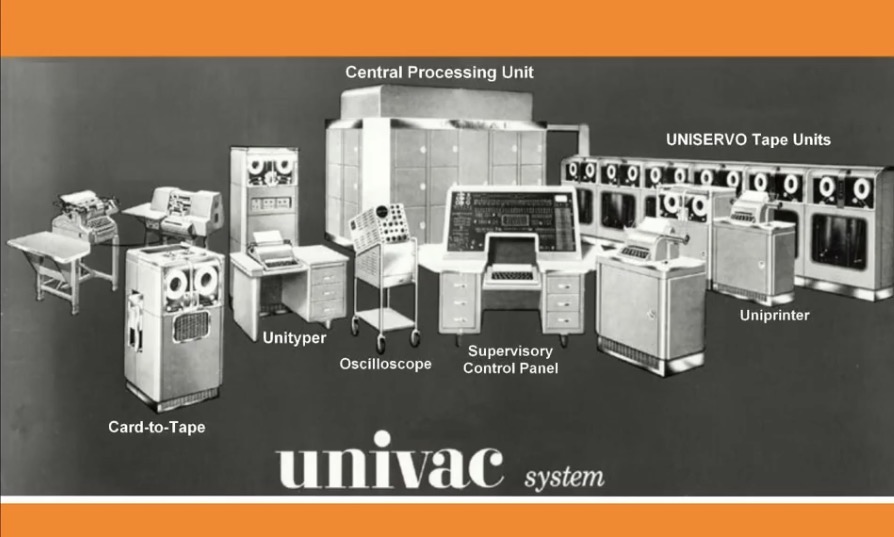
The evolution of computing has always been a march toward abstraction and standardization. We create high-level frameworks and universal interfaces not to hide the magic, but to reduce human waste. Writing boilerplate setup, re-inventing basic protocols, and building custom, non-standard tooling drains the creative energy of engineers.
* The Principle: Leverage the community standard libraries and ecosystems of the language you are learning. Standardization frees your mind from solving solved problems, allowing you to focus your creative energy on the unique logic that actually matters.
Ultimately, the tools we use will continue to evolve, but the core challenges of compute stay the same. Step into your next project not just as a writer of syntax, but as an architect of clear, efficient, and forward-thinking systems.